

*Havenly 及其关联公司不提供医疗指导。医疗建议请咨询执业医生。本网站包含的所有信息仅供参考。使用我们产品的结果因人而异,我们无法提供立即永久或有保证的解决方案。我们保留更改文章中任何内容的权利,恕不另行通知。Havenly 对印刷差异不承担任何责任。


If you've ever seen a photo or video of Finnish people gently whacking themselves — or each other — with leafy branches inside a steaming hot sauna, your first reaction was probably somewhere between confusion and concern. It looks bizarre to the uninitiated. But this practice is one of the oldest, most beloved, and most scientifically grounded traditions in all of Finnish sauna culture. It has been passed down for centuries, and Finns consider it as essential to a proper sauna session as the heat itself.
The branches in question come from birch trees, and the bundled tool they form is called a vihta (in western Finland) or vasta (in eastern Finland). In English, it's most commonly referred to as a sauna whisk. Far from being an act of self-punishment, whisking with a vihta is a gentle, rhythmic practice that enhances circulation, exfoliates the skin, releases aromatic essential oils, and deepens the meditative calm of the sauna experience. It's part of the reason Finnish sauna culture was inscribed on UNESCO's Representative List of the Intangible Cultural Heritage of Humanity in 2020 — a recognition that the sauna, and the rituals surrounding it, represent something universal about human wellness, connection, and respect for nature.
This article breaks down everything you need to know about the vihta tradition: where it comes from, how it works, what science says about the benefits, how to make and use one yourself, and how you can bring a piece of authentic Finnish sauna culture into your own home — even if you don't have a birch tree in your backyard.
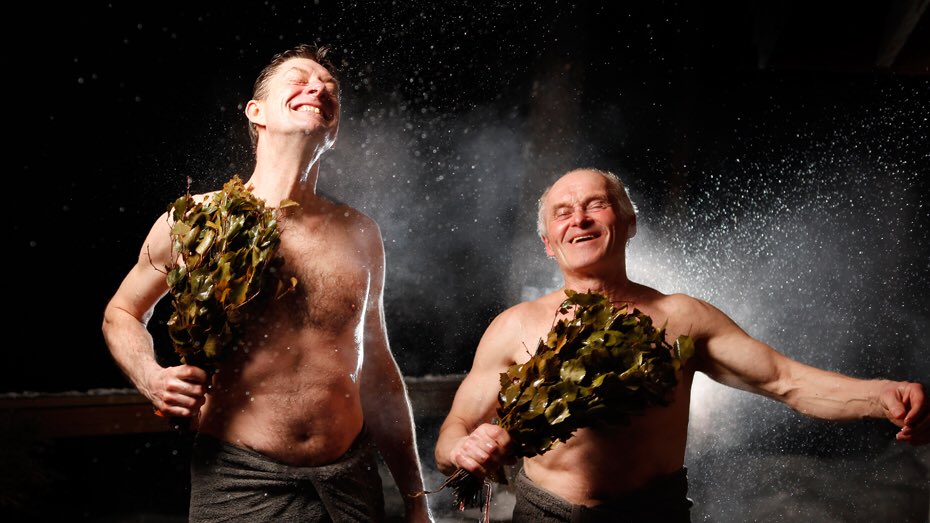
A vihta is a bundle of fresh, leafy birch branches — typically 10 to 15 twigs about half a meter long — tied together at the base to form a handle. The leaves are left intact, creating a broad, fan-like surface that's used to gently strike, brush, or sweep the skin during a sauna session. Think of it less like a whip and more like a fragrant, leafy massage tool.
The naming distinction between vihta and vasta reflects one of the most enduring and playful debates in Finnish culture. Western Finns use the word vihta, which linguists now believe is an original Finnish word possibly related to vihma, meaning "light rain." Eastern Finns use vasta, which was once thought to be a Russian loan word but is now considered an old Germanic borrowing related to the Swedish kvast, meaning broom or whisk. Whichever word you use in a room full of Finns, expect someone to correct you — it's part of the fun.
In Estonia, the same tool is called a viht, and in Russia it's known as a venik. The practice of using bundled branches in hot bathing rituals extends across the entire Baltic and Nordic region, as well as deep into Russian banya culture, suggesting that this tradition predates written history in the area.
The Finnish sauna tradition stretches back thousands of years. The earliest versions of the sauna are believed to date as far back as 7000 BC, though the exact timeline of when birch whisking became part of the ritual is difficult to pin down. What historians and ethnographers do know is that the sauna was considered a sacred space in pre-Christian Finnish and Finnic cultures — a place where the physical and spiritual worlds overlapped. The Finnish saying "saunassa ollaan kuin kirkossa" — "behave in the sauna as you would in church" — speaks to this reverence.
In this context, the vihta was more than a bathing accessory. It was a purification tool, used to cleanse both the body and the spirit. Birch held deep symbolic significance in Nordic and Baltic pagan traditions, associated with renewal, protection, and the life force of spring. When the long, dark Finnish winter finally broke and the birch trees leafed out in June, harvesting branches for vihta was a seasonal ritual tied to midsummer celebrations — a time of renewal and community.
Before modern plumbing, the sauna was the most sterile environment available in a Finnish household. Women gave birth in saunas. The sick were treated there. The deceased were washed and prepared for burial there. The vihta was a central part of this cleansing tradition, and its use was intertwined with folk songs, sauna spells, and oral storytelling that have been passed from generation to generation. This living heritage is a key part of what UNESCO recognized when it added Finnish sauna culture to its Intangible Cultural Heritage list in December 2020. At the time, approximately 90% of Finland's population was still sauna bathing at least once a week, and the country's 5.5 million people shared an estimated 3.2 million saunas.
The technique is gentler than it looks from the outside. Here's the general process as practiced in a traditional Finnish sauna:
Preparation: If the vihta is fresh (just harvested), it can be used almost immediately — perhaps with a quick soak in lukewarm water to soften the stems. If it's been dried or frozen for preservation, it needs to be soaked in warm water for 20 to 30 minutes to rehydrate the leaves and make them pliable again. The soaking water itself becomes infused with birch oils and is often saved to pour over the sauna stones later, releasing a beautiful forest-like aroma into the steam.
Warming the whisk: Before use, many Finns hold the dripping vihta above the sauna heater and pour water over the stones to create a burst of steam. The hot, moist air heats the leaves so they release their essential oils more readily. You should be able to feel gentle warmth when you touch the leaves — hot enough to be effective, not so hot that it burns.
The whisking itself: The bather — or a partner — uses the vihta to rhythmically tap, brush, or lightly slap the skin, typically starting with the back and shoulders, then moving to the legs and feet. The motion is fluid and steady, not aggressive. Many describe the ideal rhythm as similar to a gentle massage: deliberate, even, and meditative. The leaves make soft contact with the skin on each stroke, creating light friction and distributing the warm, aromatic air across the body.
Sharing the experience: In Finnish sauna culture, whisking each other is a common social ritual. One person lies face-down on the sauna bench while the other applies the vihta across their back and legs. Then they switch. The communal nature of Finnish sauna bathing — where conversation flows freely and social hierarchies dissolve in the heat — makes this shared act feel natural rather than strange.
What may have started as folk wisdom is now supported by a growing understanding of how the vihta interacts with the body's physiology. The benefits fall into several categories.
Any session in a traditional sauna increases blood circulation as the body works to regulate its core temperature. The gentle percussion of the vihta against the skin amplifies this effect at the surface level. The light tapping creates localized stimulation that encourages blood flow to the skin — similar in mechanism to a massage — which enhances the delivery of oxygen and nutrients to skin cells and muscles. For people who use sauna bathing as part of a recovery or cardiovascular wellness routine, the vihta adds a complementary layer of circulatory benefit.
The textured surface of the birch leaves acts as a natural exfoliant, sloughing off dead skin cells, unclogging pores, and sweeping them away with each stroke. This is one of the vihta's most practical functions — and one reason Finns historically considered sauna whisking a primary method of keeping the body clean. In a hot, humid sauna environment where the pores are already open and sweat is flowing freely, the mechanical action of the leaves provides a thorough, gentle cleansing that's difficult to replicate with other tools.
Birch leaves contain natural essential oils, flavonoids, antioxidants, and compounds like saponin and betulin. When heated in the sauna and applied to warm, open-pored skin, these compounds are released and can be absorbed through the skin and inhaled through the steam. Saponin is notable for its natural cleansing and anti-inflammatory properties, while betulin — a compound found primarily in birch bark and leaves — has been studied for its potential antioxidant, anti-inflammatory, and even anti-tumor properties. The aromatic oils from birch are also known to create a calming, forest-fresh scent that enhances the sensory atmosphere of the sauna — a form of natural aromatherapy that Finnish bathers prize deeply.
The rhythmic, repetitive motion of whisking — combined with the warmth, the aroma, and the meditative environment of the sauna — activates the body's parasympathetic nervous system, which governs the rest-and-digest response. This can lower heart rate, reduce stress hormone levels, and promote a deep sense of calm. Many experienced sauna bathers describe the feeling after a thorough vihta session as uniquely peaceful — a level of relaxation that goes beyond what the heat alone provides. For anyone interested in the mental health benefits of sauna bathing, adding a vihta to the routine deepens the therapeutic experience.
The combination of sauna heat and the gentle massage-like action of the vihta helps relieve muscle tension and soreness. Birch has a long history in folk medicine for addressing joint and muscle pain — birch bark was traditionally applied externally to ease muscle discomfort, and birch leaf preparations have been used for rheumatic complaints across Northern Europe for centuries. While the vihta isn't a medical treatment, the dual stimulus of heat and percussion can provide meaningful comfort for sore, tight muscles after exercise or a long day.
Birch is the traditional and overwhelmingly preferred wood for vihta in Finland, and for good reason. The silver birch (Betula pendula) and downy birch (Betula pubescens) are abundant throughout Finland and the broader Nordic region. Their leaves are soft enough to be gentle on the skin but sturdy enough to hold up through a sauna session. They release a clean, fresh, slightly sweet aroma when heated. And they contain a favorable profile of natural oils and bioactive compounds. Silver birch is considered more durable, while downy birch branches are more flexible and have a stronger scent.
That said, birch is not the only option. Different tree species offer different properties, and experienced sauna enthusiasts sometimes mix species for a customized experience:
Juniper produces a more prickly sensation and a strong, resinous aroma. It's said to boost superficial blood circulation even more effectively than birch due to the sharper texture of its needles. Juniper whisks are popular in some parts of Finland and the Baltic states.
Oak is used in regions where it grows more abundantly. Oak leaves are larger and sturdier than birch, creating a different tactile sensation. Oak vihta tend to last longer per session but lack the signature birch fragrance.
Eucalyptus brings powerful anti-inflammatory and antiseptic properties along with a strong, mentholated aroma that's excellent for clearing the sinuses. Eucalyptus whisks have gained popularity outside of Northern Europe, particularly in spa settings.
Alder, aspen, and linden are also used in various regional traditions, each offering their own aromatic and textural qualities. Some bathers add sprigs of herbs like rosemary, mint, or blackcurrant leaves to their birch vihta for additional fragrance and therapeutic variety.
If you have access to birch trees — or another suitable species — making a vihta is straightforward.
Timing matters. The ideal harvest window is around midsummer (late June through early July in the Northern Hemisphere), when birch leaves are fully developed but still young, supple, and rich in essential oils. Leaves that are too young will be fragile; leaves that are too old will be tough and brittle.
Select your branches. Cut flexible, leafy branches about 40 to 50 centimeters (16 to 20 inches) long. Choose branches with dense, healthy foliage and no signs of disease or insect damage. You'll need 10 to 15 branches per vihta.
Arrange and tie. Fan the branches out so that the pale underside of the leaves faces outward — this prevents the leaves from sticking to wet skin during use. Strip the leaves and twigs from the bottom 10 to 15 centimeters to create a bare handle. Bind the handle tightly with natural twine, a flexible birch twig, or string.
Preserving for later use. Fresh vihta are best, but you can preserve them for use throughout the year. For short-term storage (weeks to a couple of months), hang them upside down in a dry, airy, shaded place like a garage or barn until the leaves are dry. To rehydrate, soak in hot water for 15 to 20 minutes before use. For long-term storage, wrap fresh vihta in plastic and freeze them. Frozen vihta thaw and perform almost identically to freshly cut ones — this is the preferred method for year-round use among serious Finnish sauna enthusiasts.
Not everyone lives in a region where birch trees are plentiful. If you can't harvest your own, there are several alternatives worth exploring.
Buy dried or frozen vihta online. Artisan sellers on platforms like Etsy ship dried Finnish birch vihta internationally. The cost is higher than making your own, but it's the most authentic option for those without local birch access.
Use birch essential oil for the aroma. Add a few drops of birch essential oil to your sauna bucket water, then ladle it over your hot stones. The resulting steam will carry the signature birch fragrance, delivering the aromatherapy benefits even without a physical vihta. This pairs beautifully with the practice of löyly — the Finnish art of creating steam by pouring water over heated sauna stones.
Substitute with other local branches. Eucalyptus, cedar, and other aromatic, non-toxic branches can serve a similar function. The key is to use species with soft, pliable leaves that release pleasant oils when heated. Always verify that any plant material you bring into the sauna is safe and non-toxic.
Try a natural-bristle brush for exfoliation. If it's the skin-cleansing benefit you're after, a natural-bristle dry brush or exfoliating brush can replicate the mechanical exfoliation of a vihta, even if it won't provide the aromatherapy component.
Whether you're trying this for the first time or introducing a friend to the tradition, a few practical guidelines will help you get the most out of the experience:
Start gentle. The goal is relaxation, not endurance. Light, rhythmic taps are all you need. The vihta should make soft contact with the skin — just enough to create slight friction and distribute warmth. If it stings or hurts, you're going too hard.
Work with the heat, not against it. Whisking is most effective in the upper portions of the sauna where the air is hottest. The vihta moves warm air across the skin with each stroke, amplifying the sensation of heat without requiring a higher thermostat setting. A quality sauna heater with good stone capacity will produce the kind of even, sustained heat and steam that make whisking most enjoyable.
Save the soaking water. The water you use to rehydrate your vihta will be infused with birch oils and have a slightly golden, somewhat slippery quality. Pour this over your sauna stones for an incredibly fragrant burst of steam. It can also be stored and frozen in containers for future use.
Respect the shared space. In a public or communal sauna, be mindful that not everyone may be familiar with whisking. Loose leaves can scatter, and the practice takes up space. Clean up any leaves that fall and check with others before starting a vigorous session in a shared setting.
Pair with contrast therapy. In Finland, sauna rounds are traditionally broken up with cooling-off periods — a roll in the snow, a dip in a frozen lake, or (more commonly today) a plunge into cold water. The vihta session typically happens during the sauna round, and many Finns find that the combination of whisking, intense heat, and cold plunging creates a deeply invigorating cycle that leaves the body feeling profoundly alive and refreshed.
You don't need to travel to Finland to experience an authentic sauna ritual. The growing interest in traditional sauna culture worldwide means that everything from the hardware to the accessories to the knowledge is more accessible than ever. A traditional Finnish-style sauna — whether it's an outdoor barrel or cabin model in your backyard or an indoor sauna built into your home — provides the foundation. A properly sized heater with ample stone capacity gives you the ability to produce real löyly. And from there, adding a vihta to your practice is the finishing touch that connects you to centuries of tradition.
The beauty of the vihta ritual is its simplicity. It requires nothing more than a bundle of branches, a hot sauna, and a willingness to slow down and be present. In a world of high-tech wellness gadgets and complicated recovery protocols, there's something grounding about a practice that a Finnish farmer and a modern-day sauna enthusiast would both recognize instantly — even separated by hundreds of years.
If you're building or upgrading a home sauna and want to create the kind of environment where rituals like whisking feel natural and rewarding, explore our full sauna collection, browse our sauna accessories including traditional buckets and ladles, or use our Sauna Selector Tool to find the right fit for your space. And for a deeper dive into the rituals that make Finnish sauna culture so special, check out our guides on traditional sauna rituals and vihta use and how to sauna like a Finn.
*Havenly 及其关联公司不提供医疗指导。医疗建议请咨询执业医生。本网站包含的所有信息仅供参考。使用我们产品的结果因人而异,我们无法提供立即永久或有保证的解决方案。我们保留更改文章中任何内容的权利,恕不另行通知。Havenly 对印刷差异不承担任何责任。
placeholder


发表评论